HIROSHIMA - THE SILENT WITNESS
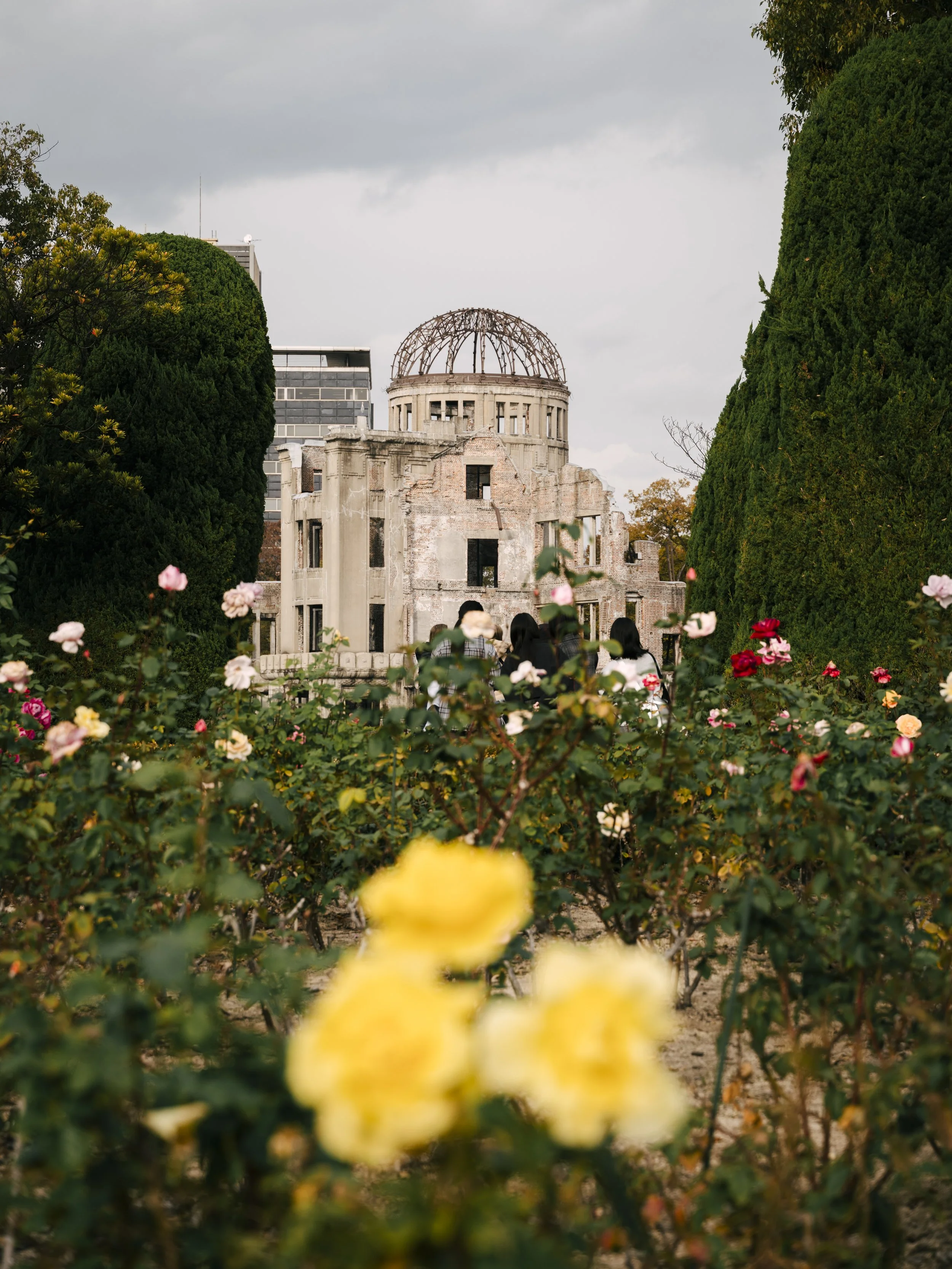
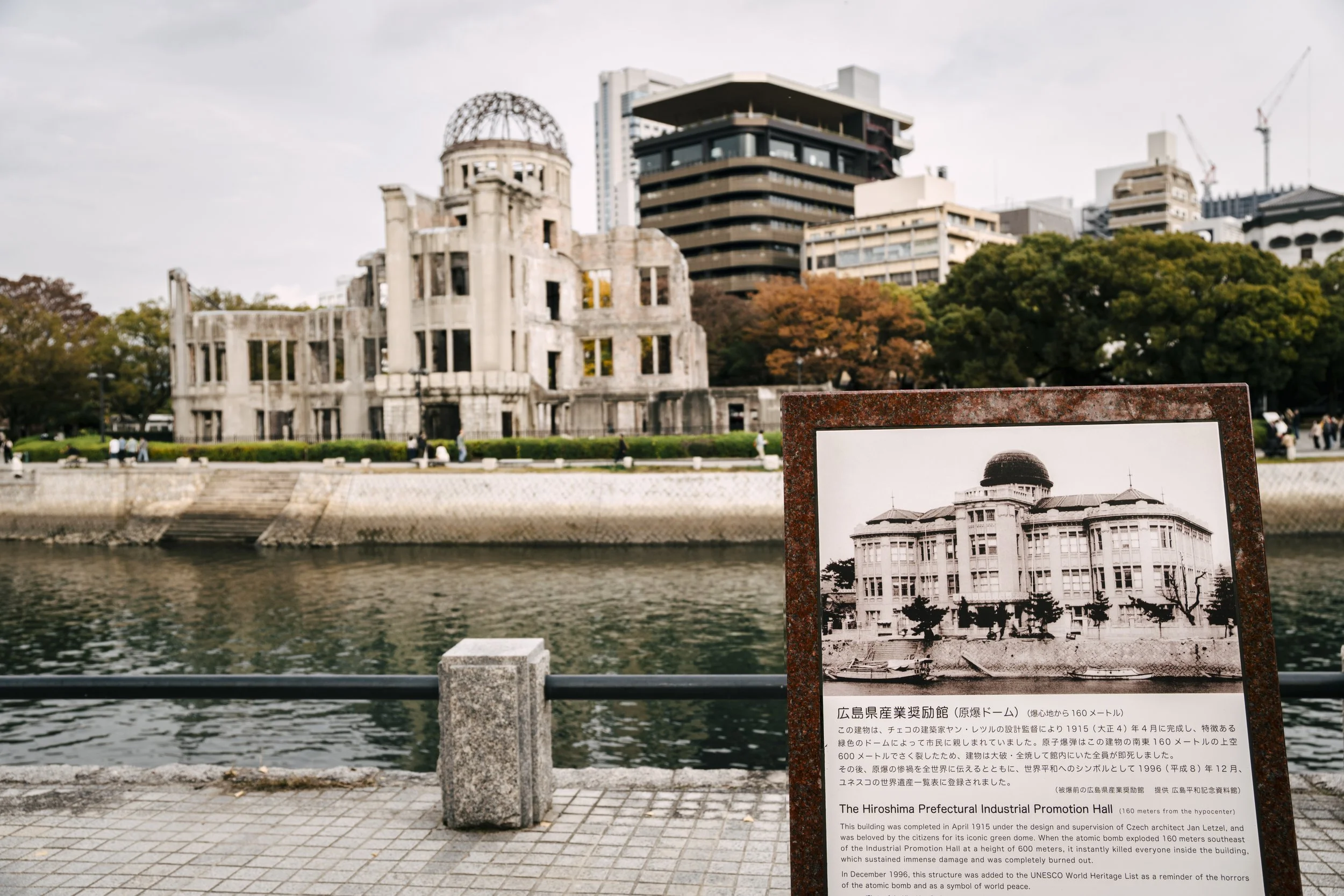
There are places that speak without saying anything. The Hiroshima Atomic Bomb Dome is one of them.
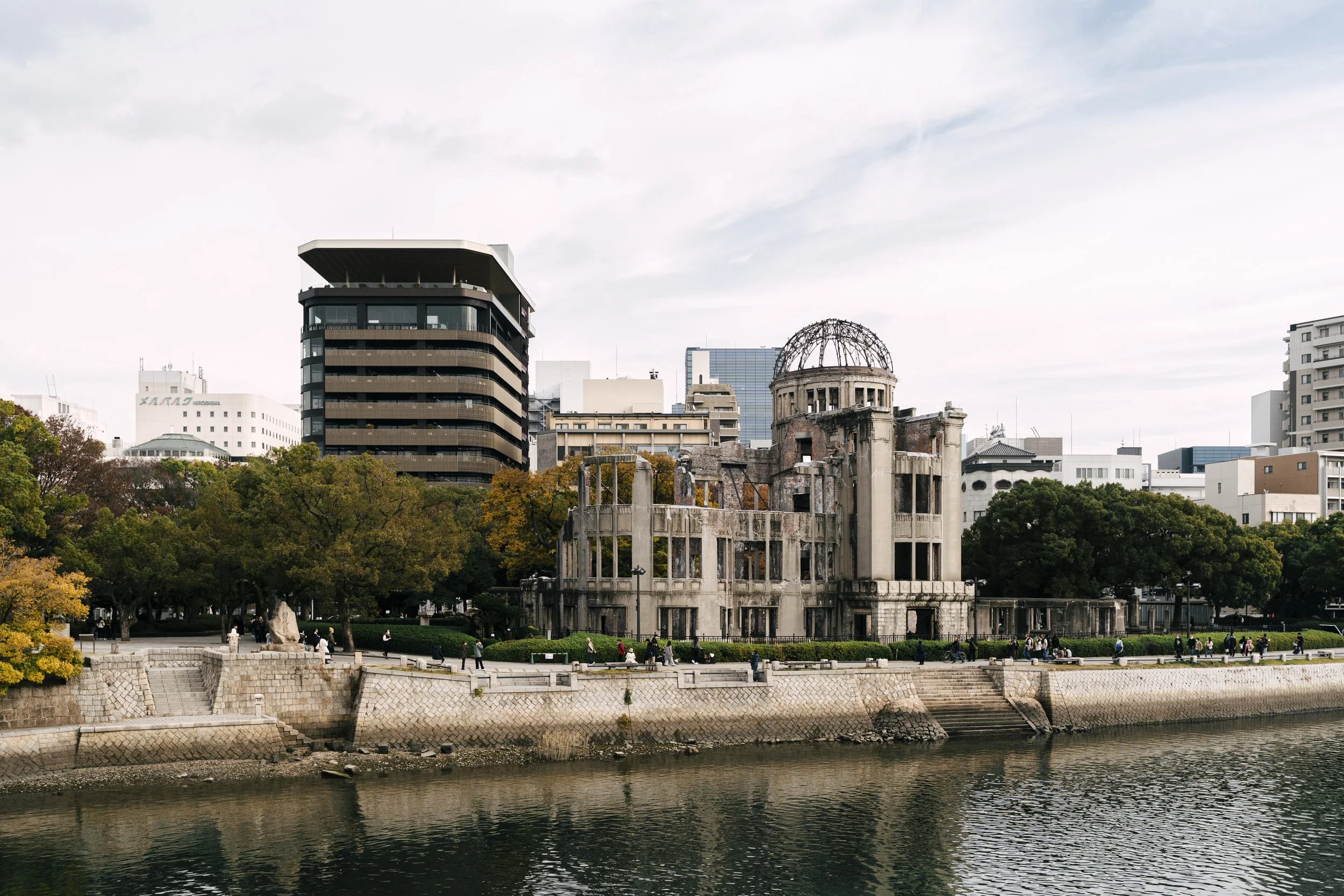
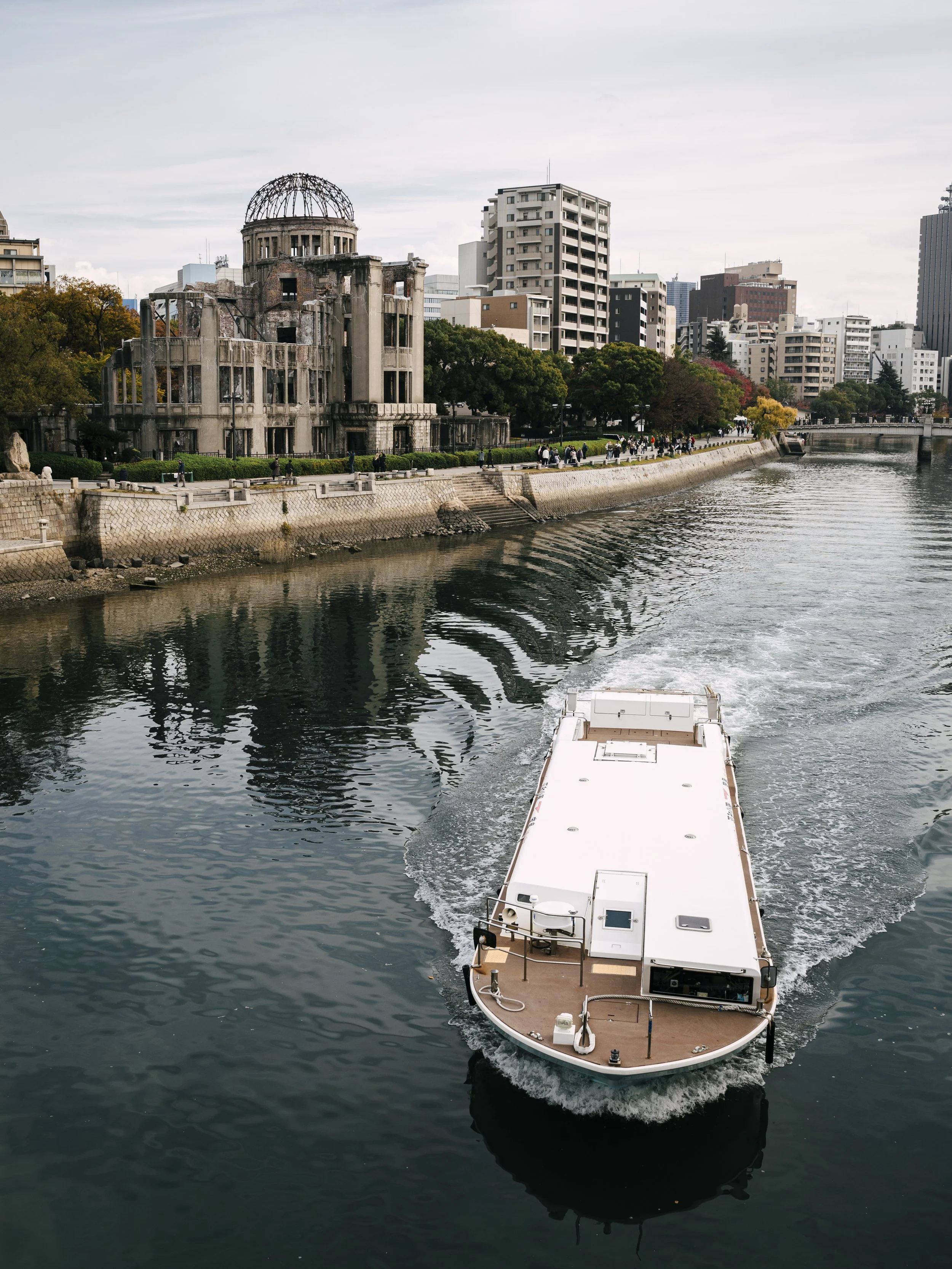
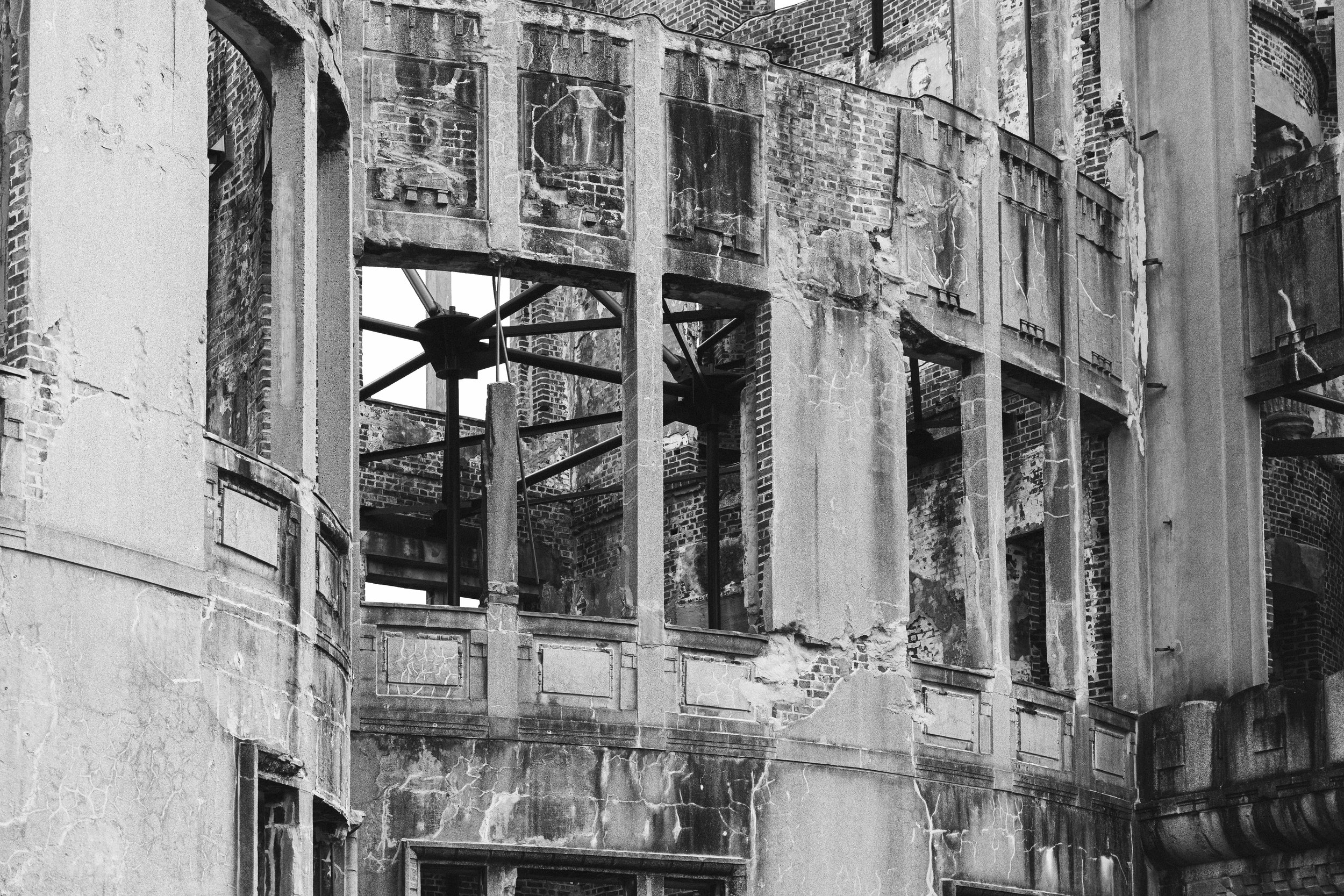
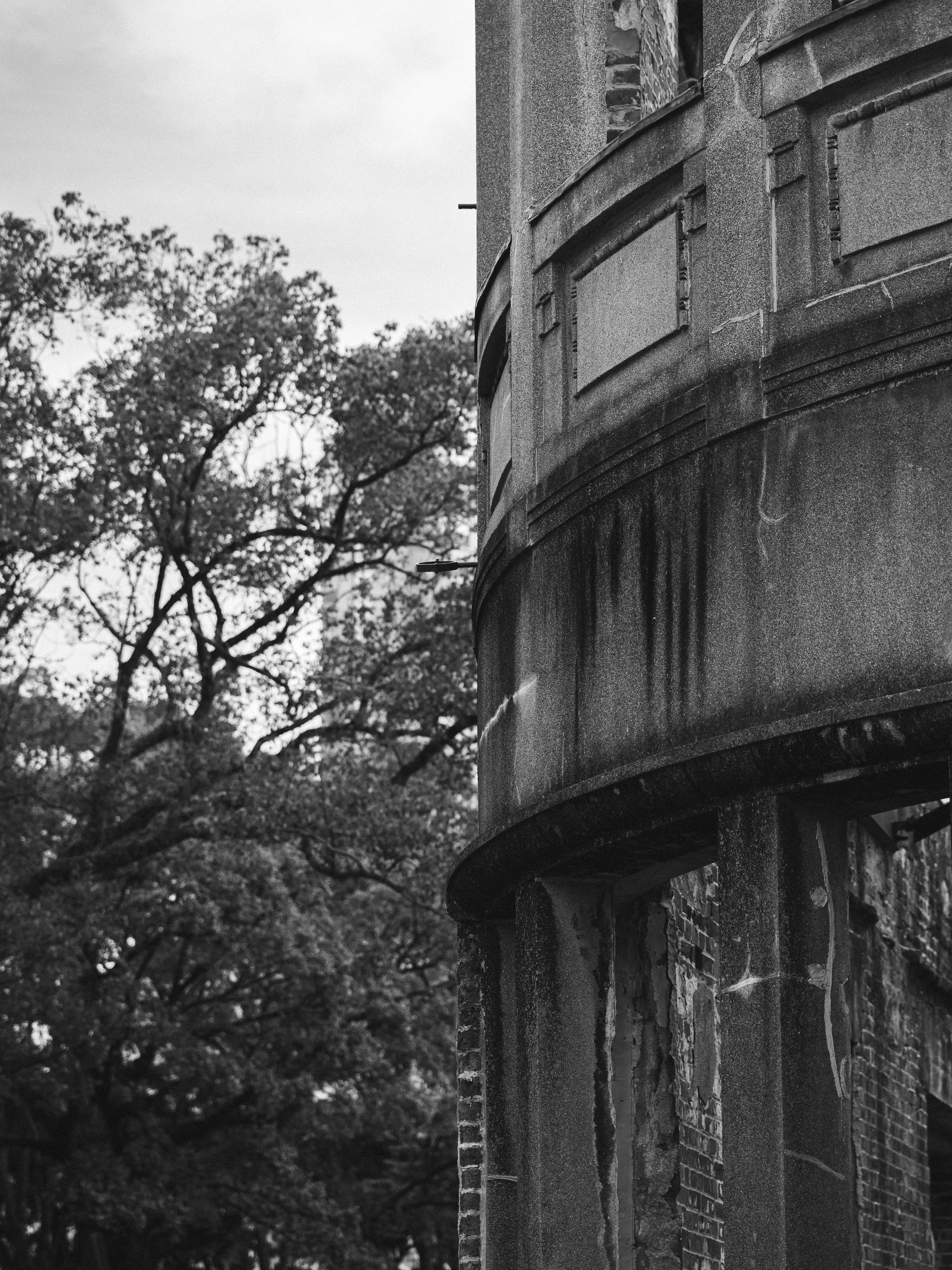
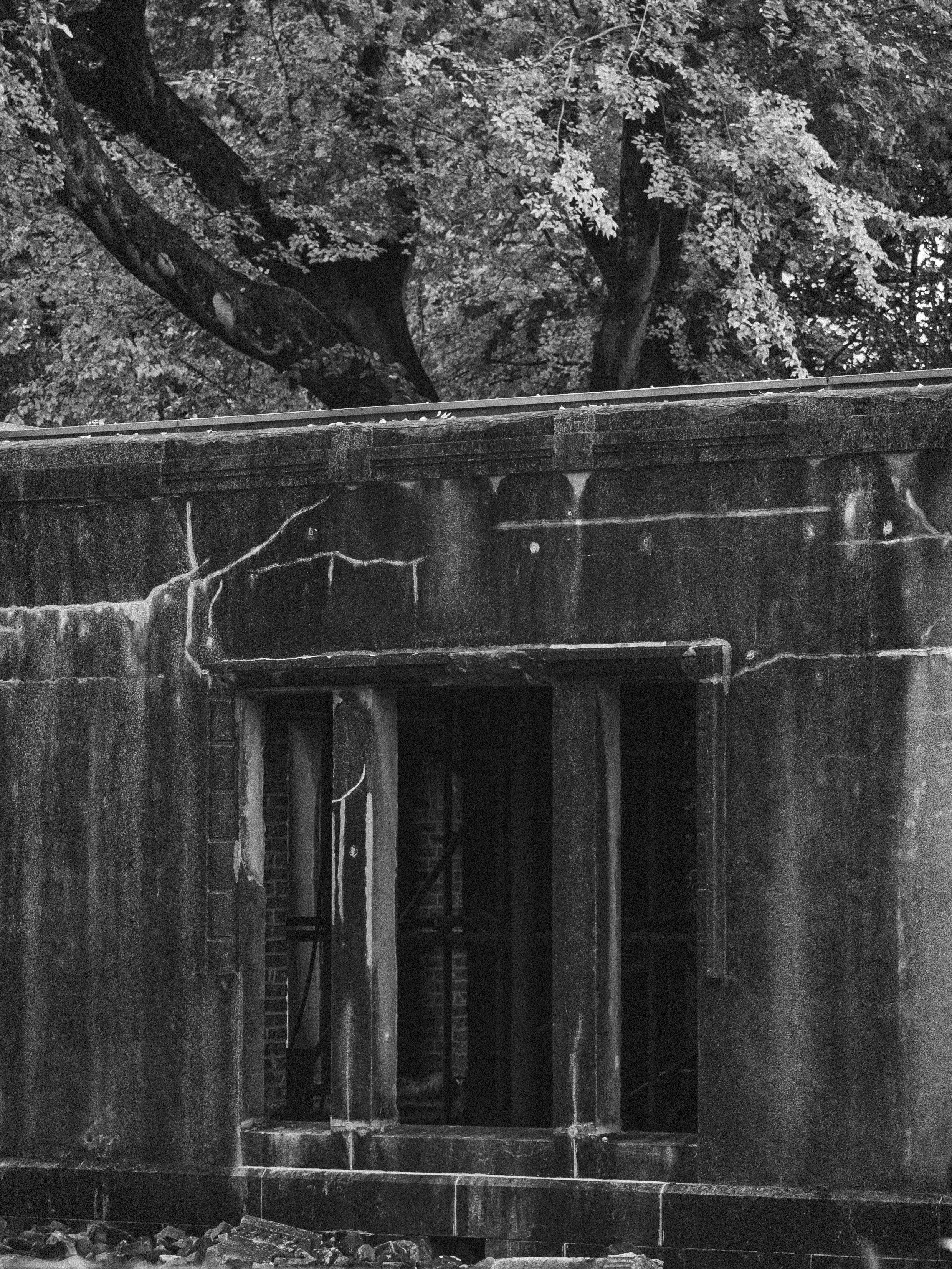
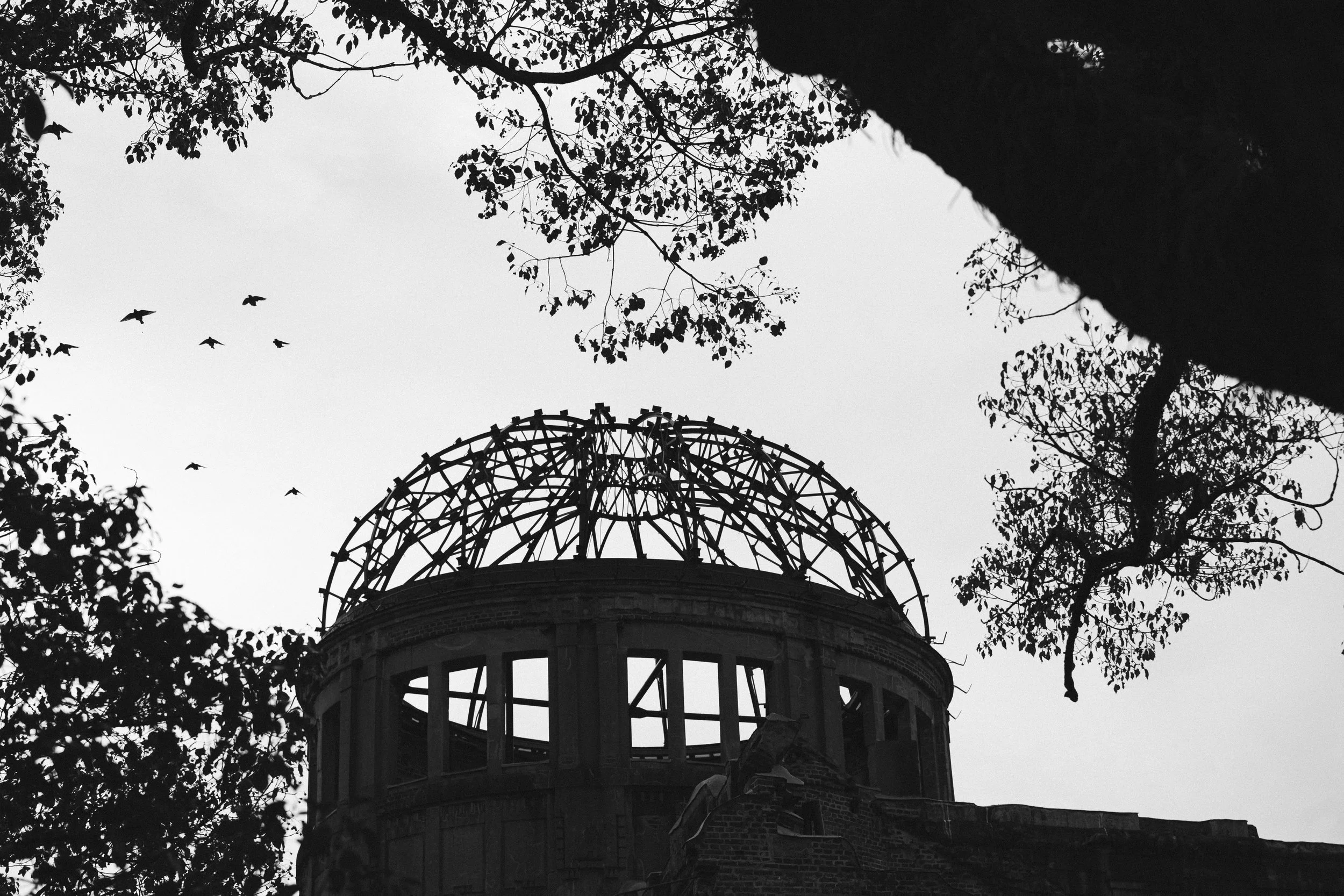
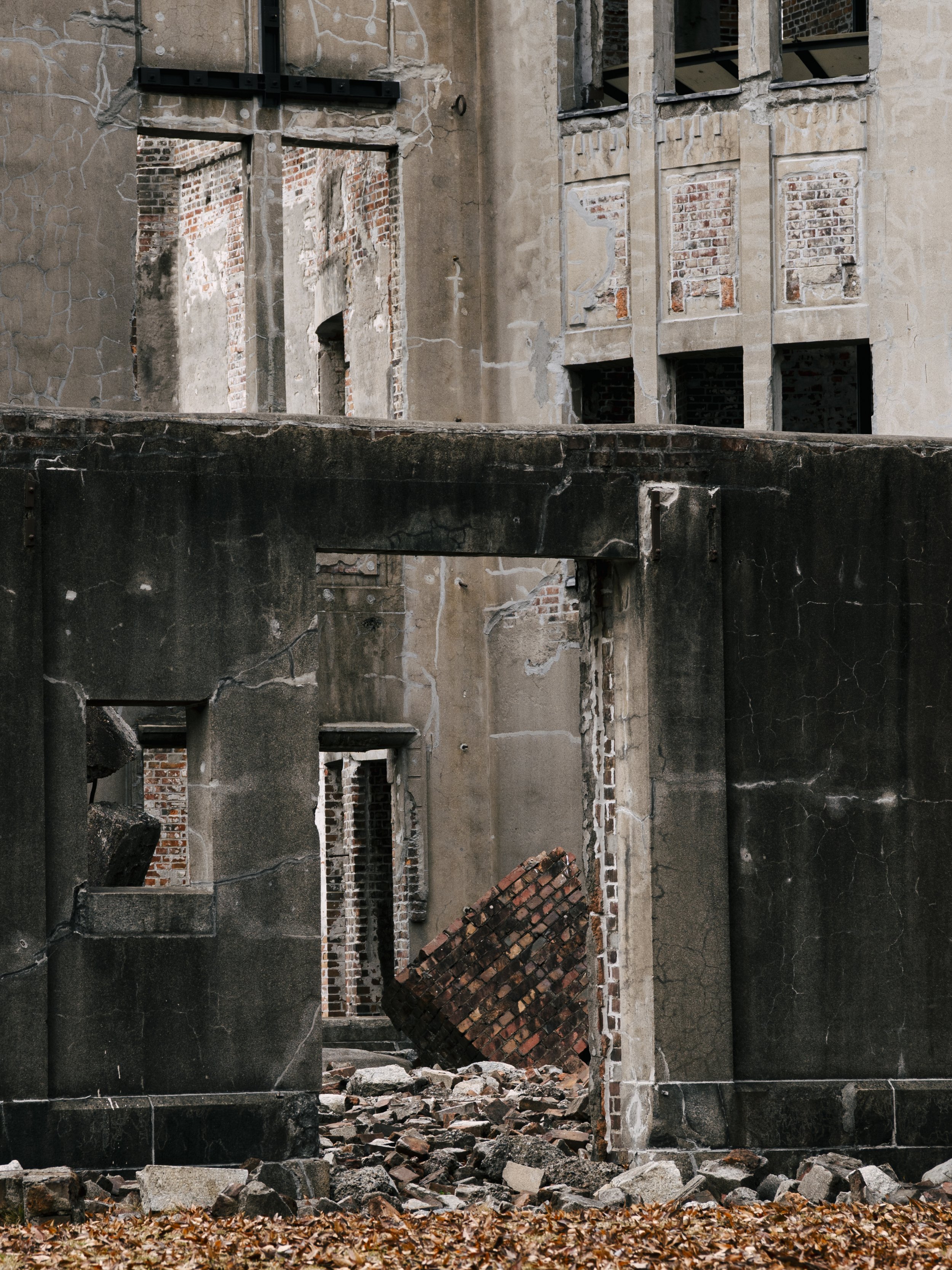
On August 6, 1945, an atomic bomb detonated approximately 600 metres above this building, obliterating the city beneath it in a matter of seconds. What stands here today is not reconstruction — it is what survived. The skeletal dome, the exposed framework, the walls stripped to their bones — all of it left deliberately intact, preserved not as a ruin but as a witness to what happened and what must never happen again.
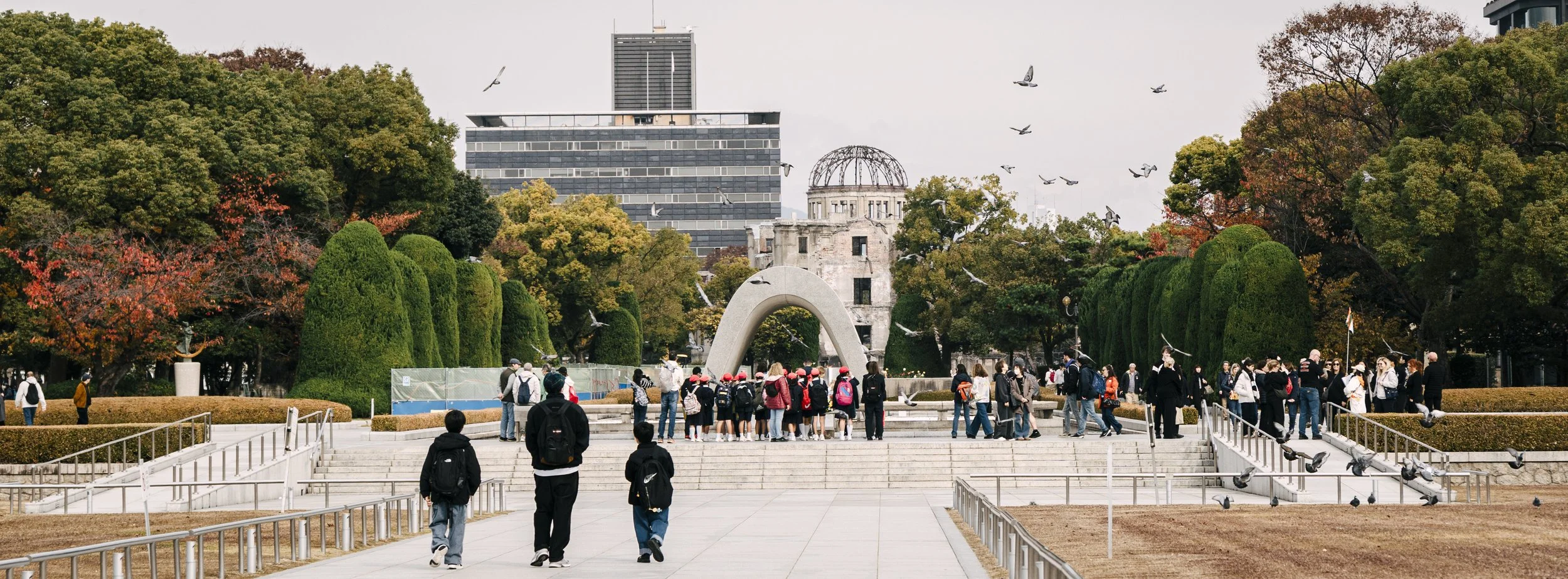
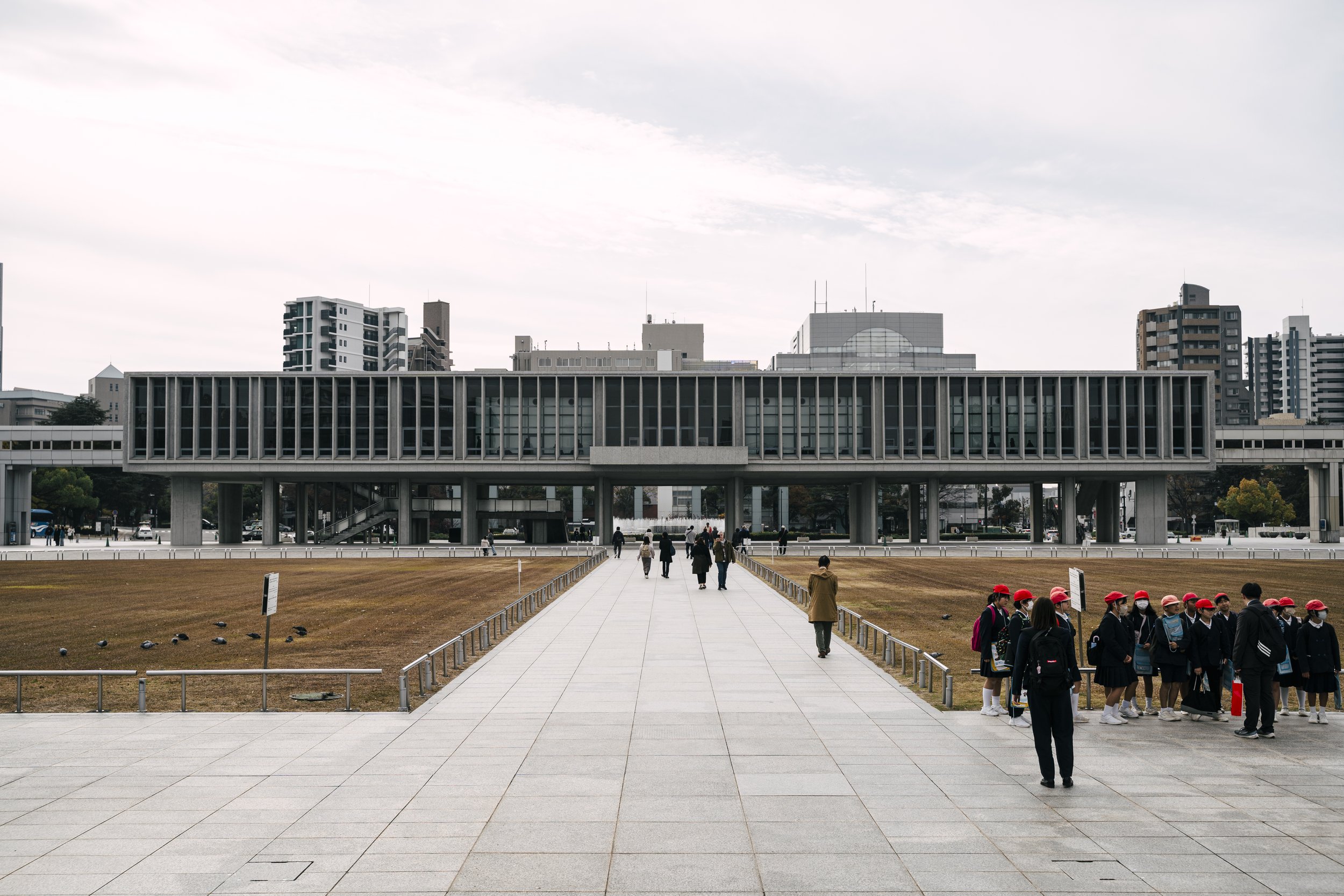
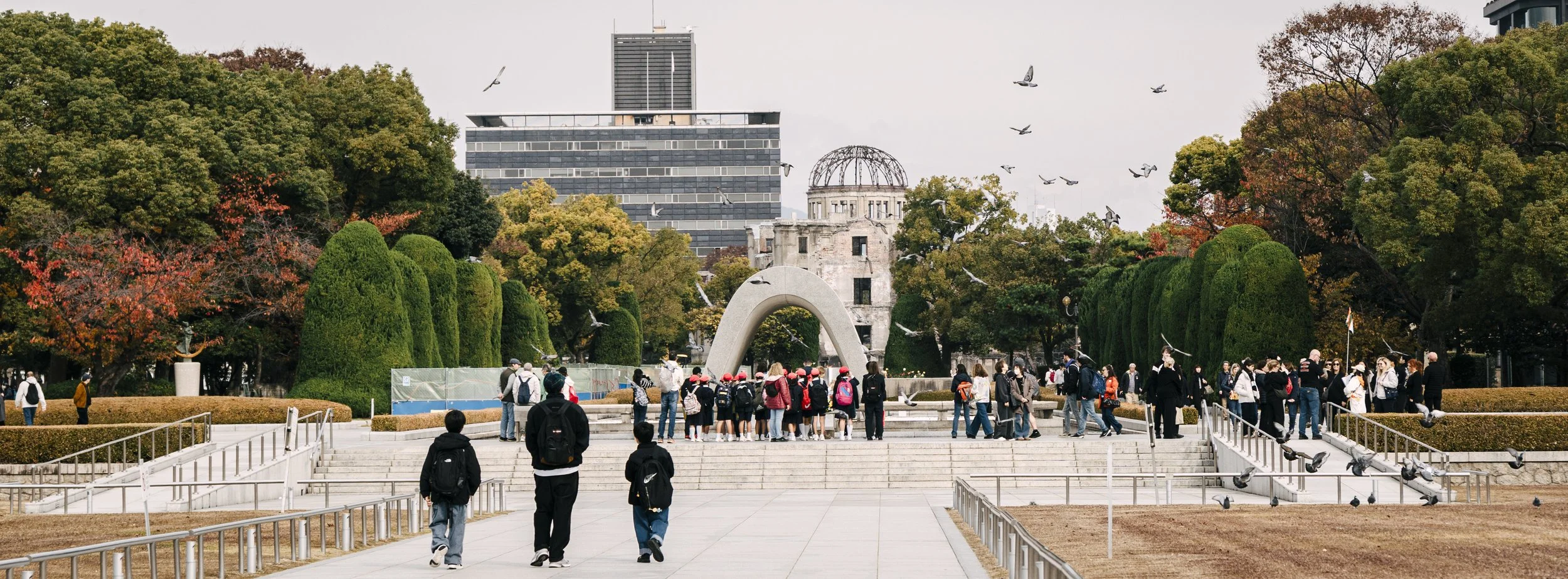
Walking through the Peace Memorial Park, the weight of the site settles slowly. It does not announce itself loudly. There are no dramatic gestures in the architecture of remembrance here. Instead, there is stillness — the kind that asks something of you. Visitors move carefully through the space, pausing, reading, looking up at the dome in a way that feels less like tourism and more like reckoning.
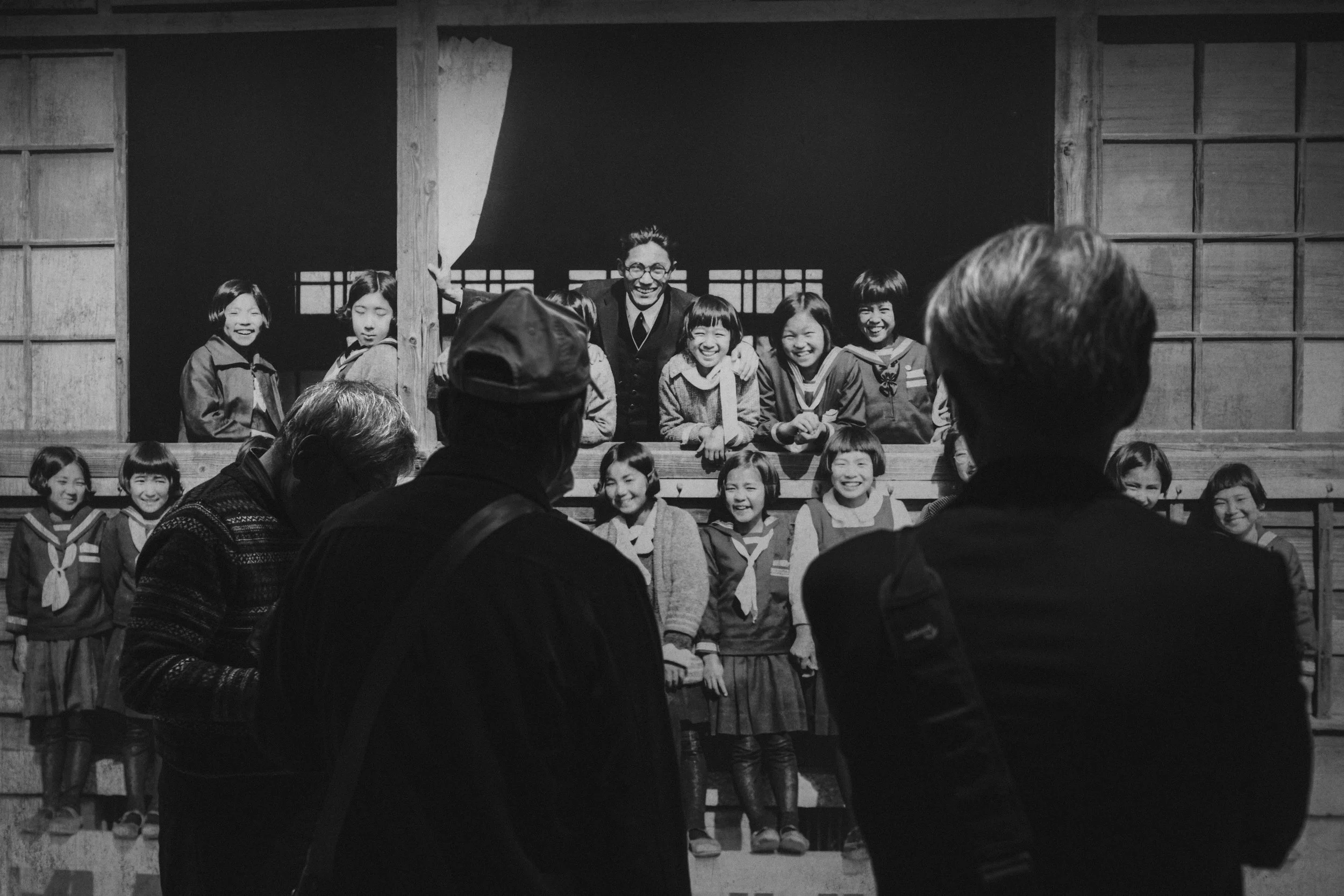
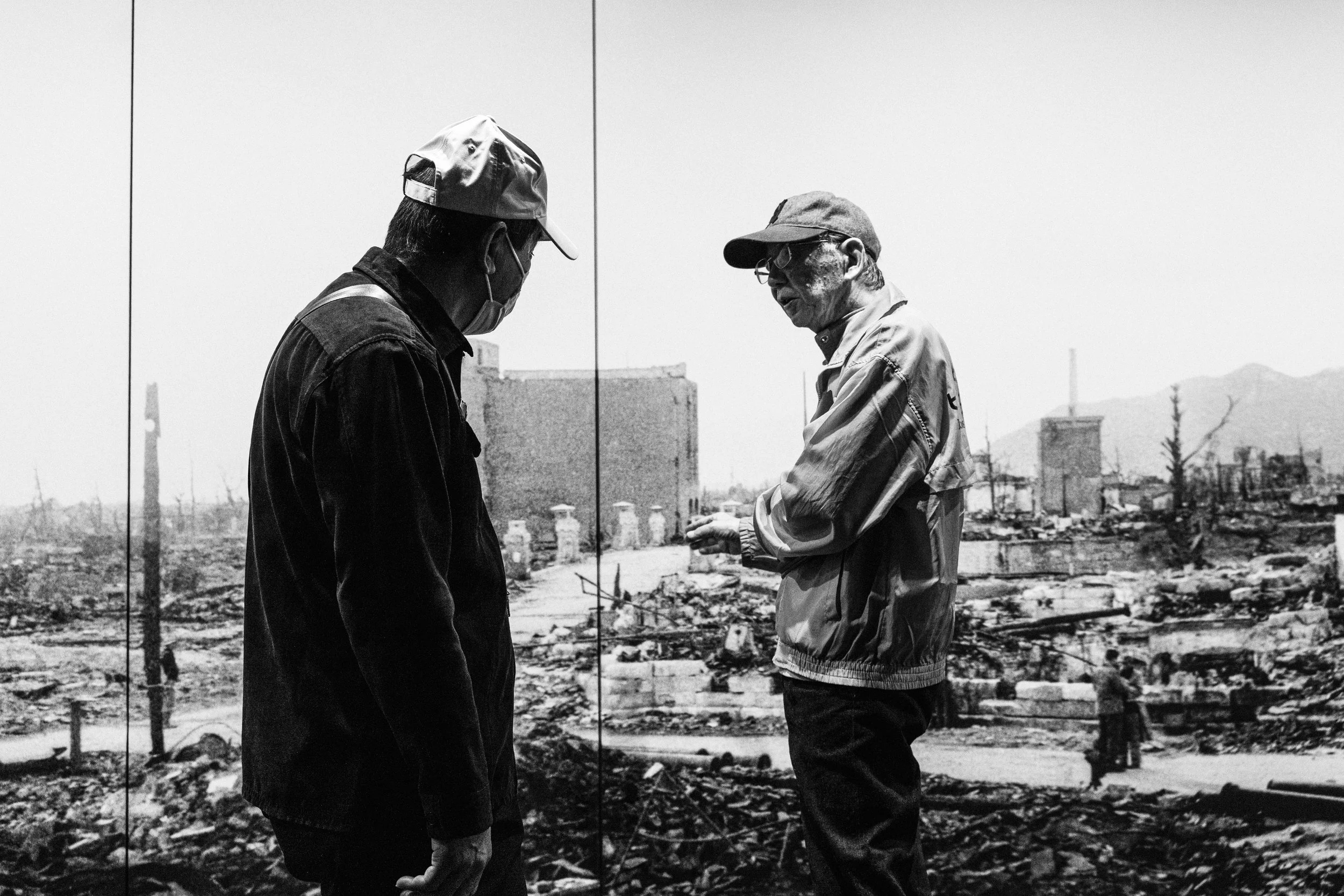
This series documents that interaction — between people and place, between the present and the irreversible past. Photography here becomes less about observation and more about witness. The same word the Dome itself carries. To point a camera at this site is to acknowledge that looking is not passive, that framing a moment of human reflection inside a space like this is itself an act of responsibility.
The Dome does not narrate its own history. It holds it. The char marks, the exposed structure, the absence of everything that once surrounded it — these are not decorative. They are evidence. And the people who stand before it — some in silence, some with their hands pressed together, some simply still — they become part of that evidence too. Proof that the memory is still being received, still being carried forward.
Each figure, each pause, each quiet gesture captured in this series is part of an ongoing conversation between past and present. History does not only live in monuments. It lives in how we choose to stand before them.
Photographed in Hiroshima, Japan, by Syazni Aizat. (2025)